
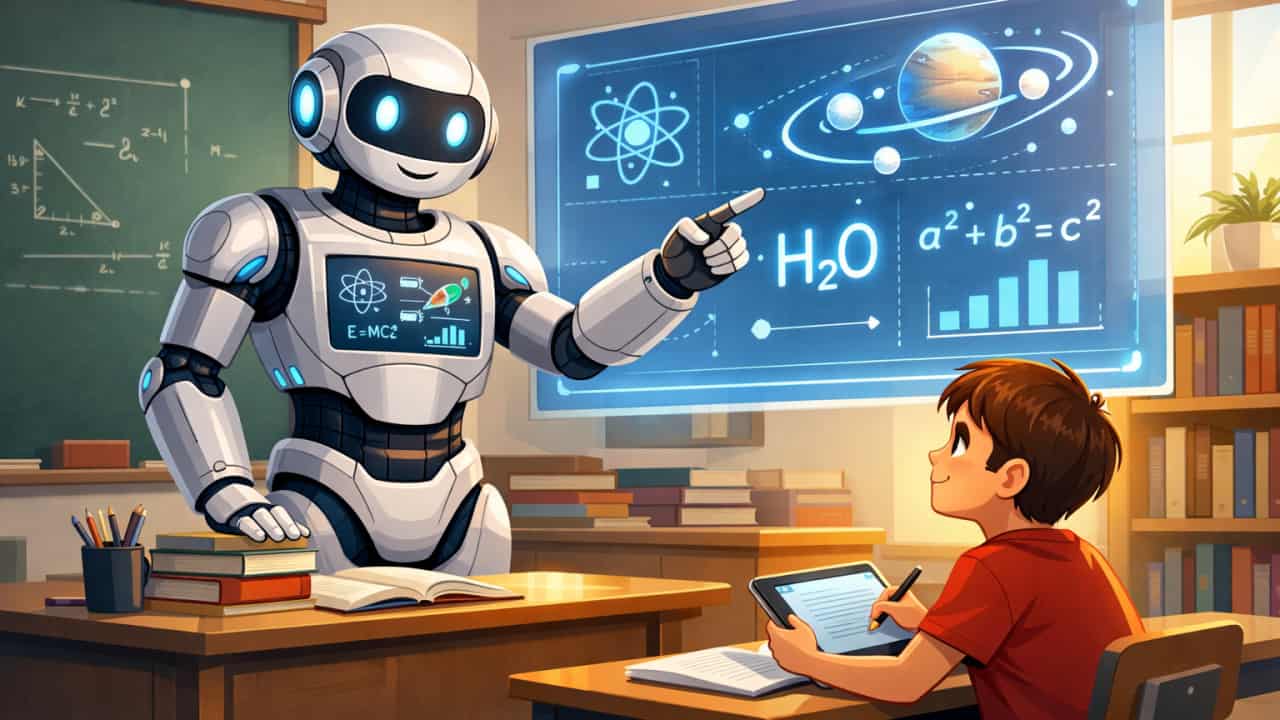
Artificial intelligence (AI) is rapidly transforming industries across the globe, and online education is no exception. What began as simple digital learning platforms has evolved into highly personalized, data-driven ecosystems powered by intelligent algorithms. From adaptive learning systems to AI tutors and automated content creation, the integration of AI into online education is reshaping how people learn, teach, and access knowledge.
For entrepreneurs, educators, and institutions in Latin America and beyond, understanding these changes is essential—not only to stay competitive but also to unlock new opportunities in a growing global market.
The Rise of AI in Online Learning
Online education has experienced explosive growth over the past decade, accelerated further by global events that forced remote learning adoption. However, traditional e-learning platforms often struggled with personalization, engagement, and scalability. AI addresses these challenges by introducing systems that can analyze user behavior, adapt content in real time, and deliver a more human-like learning experience.
At its core, AI in education uses machine learning, natural language processing, and predictive analytics to enhance both teaching and learning processes. Platforms such as Coursera, Udemy, and Duolingo already incorporate AI to recommend courses, personalize lessons, and optimize user engagement.
This shift marks a transition from static, one-size-fits-all education to dynamic, student-centered learning environments.
Personalized Learning at Scale
One of the most significant impacts of AI in online education is the ability to deliver personalized learning experiences. Traditional classrooms often struggle to cater to individual learning speeds and styles, but AI changes this completely.
AI systems can track a student’s progress, identify strengths and weaknesses, and adjust the curriculum accordingly. For example, if a learner struggles with a specific concept, the system can provide additional exercises, alternative explanations, or slower-paced instruction. Conversely, advanced learners can skip ahead, avoiding unnecessary repetition.
This level of personalization improves learning outcomes and increases student satisfaction. It also reduces dropout rates, a major challenge in online education platforms.
An example of this can be seen in adaptive learning platforms like Khan Academy, where AI continuously adjusts the difficulty of exercises based on student performance.
AI Tutors and Virtual Assistants
AI-powered tutors are becoming increasingly sophisticated, offering real-time assistance to students without the need for human intervention. These virtual tutors can answer questions, explain complex concepts, and guide learners through problem-solving processes.
Unlike human tutors, AI assistants are available 24/7, making education more accessible—especially for students in different time zones or with irregular schedules.
Chatbots integrated into learning platforms can also handle administrative tasks such as enrollment, course recommendations, and technical support. This reduces operational costs for institutions while improving the user experience.
In Latin America, where access to qualified educators can be uneven, AI tutors have the potential to bridge educational gaps and expand opportunities for underserved communities.
Automated Content Creation and Assessment
AI is also transforming how educational content is created and evaluated. Traditionally, developing high-quality courses requires significant time and resources. AI tools can now assist in generating quizzes, summaries, lesson plans, and even full course modules.
For example, AI can analyze existing materials and automatically create practice questions tailored to different difficulty levels. It can also generate multilingual content, which is particularly valuable in regions with diverse linguistic needs.
Assessment is another area where AI excels. Automated grading systems can evaluate multiple-choice tests, essays, and even coding assignments with high accuracy. This not only saves time for educators but also provides instant feedback to students.
Immediate feedback is crucial for effective learning, as it allows students to correct mistakes and reinforce concepts in real time.
Enhanced Engagement Through Intelligent Systems
Student engagement is a critical factor in the success of online education. AI helps address this challenge by creating more interactive and engaging learning environments.
Through data analysis, AI can identify patterns that indicate when a student is losing interest or struggling. The system can then intervene by offering interactive content, gamified elements, or reminders to keep the learner motivated.
Gamification powered by AI—such as points, badges, and progress tracking—encourages consistent participation and improves retention rates. Platforms like Duolingo use these techniques effectively to maintain user engagement over long periods.
Additionally, AI-driven video analysis and recommendation systems ensure that learners are exposed to relevant content based on their preferences and goals.
Data-Driven Decision Making for Institutions
AI provides educational institutions and course creators with powerful insights derived from data. By analyzing user behavior, completion rates, and performance metrics, organizations can make informed decisions to improve their offerings.
For example, if a large percentage of students drop out at a specific module, AI analytics can highlight the issue, allowing educators to revise the content or delivery method.
This data-driven approach enables continuous improvement and helps institutions remain competitive in an increasingly crowded online education market.
For businesses and entrepreneurs, these insights can also guide the development of new courses aligned with market demand, increasing profitability and relevance.
Accessibility and Inclusion
AI is playing a crucial role in making education more accessible and inclusive. Features such as speech recognition, text-to-speech, and real-time translation allow students with disabilities or language barriers to participate more effectively in online learning.
For instance, AI-powered transcription tools can convert lectures into text, benefiting hearing-impaired students. Similarly, translation tools can make courses available to a broader audience without requiring manual localization.
In regions like Latin America, where access to high-quality education can vary significantly, these technologies help democratize learning and reduce inequality.
Challenges and Ethical Considerations
Despite its many advantages, the use of AI in online education also raises important challenges and ethical concerns.
Data privacy is a major issue, as AI systems rely on collecting and analyzing large amounts of personal information. Institutions must ensure that this data is handled securely and transparently.
Another concern is the potential for algorithmic bias. If AI systems are trained on biased data, they may produce unfair or inaccurate outcomes, affecting students’ learning experiences.
There is also the question of over-reliance on technology. While AI can enhance education, it should not replace human interaction entirely. The role of educators remains essential in providing mentorship, emotional support, and critical thinking guidance.
Balancing technology with human involvement is key to creating effective and ethical learning environments.
Opportunities for Businesses and Entrepreneurs
The integration of AI into online education opens up numerous opportunities for entrepreneurs, particularly in emerging markets.
Some key opportunities include:
Developing niche learning platforms tailored to specific industries or skills.
Creating AI-powered tools for content generation, assessment, or tutoring.
Offering consulting services to educational institutions adopting AI technologies.
Building multilingual education platforms targeting Latin American audiences.
Providing corporate training solutions using AI-driven personalization.
The global e-learning market is projected to continue growing significantly, and AI will be a central driver of this expansion. Businesses that adopt these technologies early can gain a competitive advantage and capture new market segments.
The Future of AI in Online Education
Looking ahead, the role of AI in online education is expected to become even more advanced. Emerging technologies such as generative AI, virtual reality (VR), and augmented reality (AR) will further enhance the learning experience.
Imagine virtual classrooms where students can interact with AI-generated simulations, or personalized learning paths that evolve continuously based on real-time data. These innovations will blur the line between traditional and digital education.
Moreover, AI could enable lifelong learning ecosystems, where individuals continuously update their skills through adaptive platforms that respond to changing career demands.
This is particularly relevant in today’s fast-changing job market, where continuous learning is no longer optional but essential.
Conclusion
Artificial intelligence is fundamentally changing online education by making it more personalized, accessible, and efficient. From AI tutors and adaptive learning systems to automated content creation and data-driven insights, the impact is both profound and far-reaching.
For educators, institutions, and entrepreneurs, embracing AI is no longer a futuristic concept but a strategic necessity. Those who leverage these technologies effectively will not only improve learning outcomes but also unlock new opportunities in a rapidly evolving digital landscape.
As AI continues to advance, the future of education will become increasingly intelligent, inclusive, and tailored to the needs of each learner—transforming not just how we learn, but how we grow in a knowledge-driven world.